
Engine overheating – causes and fixes
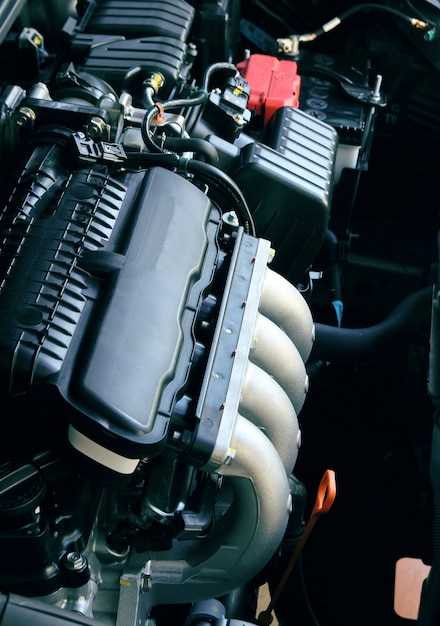
Engine overheating is a serious issue that can lead to severe damage and costly repairs. Understanding the various causes of overheating is crucial for any vehicle owner, as it can help prevent potential breakdowns and ensure the longevity of your engine’s system. This problem often arises due to a failure in the cooling system, which includes components like the radiator, water pump, and thermostat.
One of the primary reasons for overheating is a low coolant level, which can occur due to leaks or evaporation. When the coolant is insufficient, it cannot effectively absorb heat from the engine, leading to elevated temperatures. Additionally, a malfunctioning thermostat can prevent coolant from circulating properly, further exacerbating the overheating issue. It’s essential to regularly check and maintain your cooling system to ensure all components are functioning correctly.
Other factors contributing to engine overheating include clogged radiators, failed water pumps, and even external environmental conditions like extreme heat. Identifying these causes early can save you from more extensive damage. In this article, we will explore these common issues in detail and provide practical solutions to help you manage and prevent engine overheating effectively.
Common Reasons for Engine Overheating in Vehicles
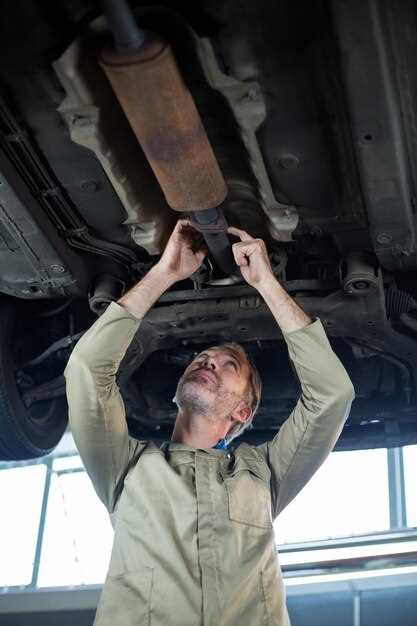
Engine overheating is a frequent issue that can lead to severe damage if not addressed promptly. Understanding the common causes can help vehicle owners take preventive measures and ensure their engines remain in optimal condition.
1. Insufficient Coolant Levels: One of the primary reasons for engine overheating is a low coolant level. Coolant is essential for maintaining proper engine temperature. If the coolant is leaking or not being replenished regularly, it can result in overheating.
2. Failed Thermostat: The thermostat regulates the flow of coolant through the engine. If it becomes stuck in the closed position, coolant circulation is blocked, leading to elevated engine temperatures and potential overheating.
3. Radiator Issues: The radiator plays a crucial role in dissipating heat from the engine. Clogs, leaks, or a malfunctioning radiator fan can significantly hinder its ability to cool the engine efficiently, resulting in overheating conditions.
4. Water Pump Failure: The water pump is responsible for circulating coolant throughout the engine and radiator. A failing water pump can lead to insufficient coolant flow, causing the engine to overheat quickly.
5. Broken or Leaking Hoses: Hoses transport coolant between the engine and radiator. If these hoses become cracked or develop leaks, coolant can escape, leading to a drop in coolant levels and eventual overheating.
6. Engine Oil Issues: Engine oil not only lubricates moving parts but also assists in heat dissipation. Insufficient or degraded oil can contribute to overheating as it fails to perform its cooling role effectively.
7. Blocked Airflow: The engine relies on adequate airflow for cooling. Blocked vents or dirt accumulation on the radiator can restrict airflow, leading to a rise in engine temperature.
8. Fuel System Problems: Issues within the fuel system, such as a clogged fuel filter or malfunctioning injectors, can result in incomplete combustion. This leads to excessive heat generation, which may cause the engine to overheat.
By being aware of these common causes, vehicle owners can take proactive steps to monitor their engine’s cooling systems, ensuring longevity and reliability.
How to Diagnose Cooling System Failures
Diagnosing cooling system failures is essential for maintaining your vehicle’s performance and preventing engine overheating. Begin by checking the coolant level in the reservoir. Low coolant can indicate leaks or inadequate fluid exchange. If the coolant level is low, inspect the hoses and connections for visible leaks, cracks, or wear.
Next, examine the radiator for any signs of damage or blockage. A clogged radiator can obstruct proper coolant flow, leading to overheating. Use a flashlight to inspect the fins and ensure they are not bent or blocked by debris. Cleaning the radiator may improve cooling efficiency.
Additionally, assess the operation of the thermostat. A malfunctioning thermostat can prevent coolant from flowing through the engine and radiator as needed. To test it, run the engine until it reaches normal operating temperature and feel the radiator hoses. A significant temperature difference may indicate a stuck thermostat.
It’s also essential to check the water pump functionality. Listen for any unusual noises or see if the pump is leaking, as these could point to failure. Insufficient circulation of coolant can cause improper cooling and lead to engine issues.
Finally, watch the temperature gauge on your dashboard. If the gauge frequently approaches the red zone, it may suggest a problem with the cooling system. Conduct a thorough inspection and consult a professional mechanic if necessary to avoid potential engine damage.
Step-by-Step Guide to Resolve Overheating Issues
Identifying and addressing engine overheating requires a systematic approach to ensure the longevity and performance of your vehicle. Follow these steps to diagnose and resolve overheating problems effectively.
Step 1: Check Coolant Levels
Begin by inspecting the coolant reservoir. Ensure that the coolant is at the correct level and that the mixture of antifreeze and water is appropriate for your vehicle. Low coolant levels can lead to overheating due to inadequate heat dissipation.
Step 2: Inspect for Leaks
Examine the entire cooling system for any leaks. Look for signs of coolant on the ground or around hoses, the radiator, and the engine. Address any leaks promptly, as they can significantly impact the system’s ability to regulate temperature.
Step 3: Examine the Thermostat
The thermostat regulates coolant flow within the engine. If it is stuck closed, coolant cannot circulate, leading to overheating. Test the thermostat by removing it and placing it in hot water. If it does not open at the specified temperature, replace it immediately.
Step 4: Inspect the Radiator
Check for blockages in the radiator that may impede airflow. Ensure that the radiator fins are not damaged or clogged with debris. Clean the radiator externally, and if necessary, consider flushing the system to remove internal blockages.
Step 5: Evaluate the Water Pump
The water pump is crucial for circulating coolant throughout the engine and cooling system. Listen for unusual noises indicating wear, and check for leaks around the pump. Replace it if it fails to maintain proper flow.
Step 6: Assess Cooling Fans
Cooling fans help to regulate engine temperature by providing airflow through the radiator. Test the fans by turning on the engine and observing their operation. If they do not engage at the correct temperature, inspect the fan relay and fuses, and replace any faulty components.
Step 7: Look for Engine Blockage
Ensure that the air intake and exhaust systems are free of obstructions. Blockages can cause the engine to overheat due to insufficient airflow. Clean any debris from these areas.
Step 8: Test Engine for Overheating
After addressing potential issues, take the vehicle for a short drive to monitor the temperature gauge. If the overheating persists, consider consulting a professional mechanic for a more in-depth diagnosis and solution.
Following this step-by-step guide will help you identify and rectify overheating issues, ensuring your engine remains within optimal operating temperatures.