
Best seat covers for comfort and protection
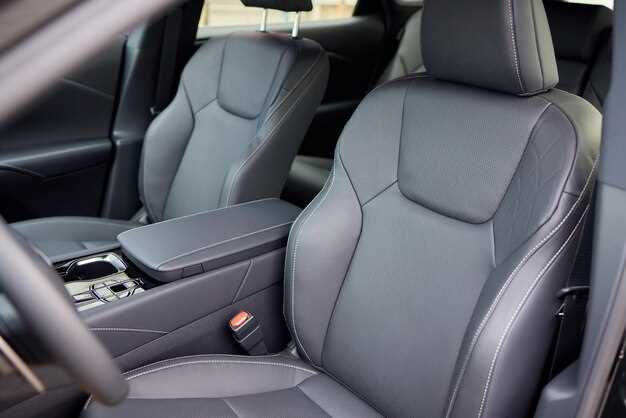
When it comes to maintaining the interior of your vehicle, seat covers are essential. They provide not only a protective layer against wear and tear but also enhance the overall comfort of your ride. With various options available on the market, investing in high-quality seat covers can make a significant difference in the longevity of your car’s upholstery.
Comfort is a crucial factor when selecting seat covers. The right covers can improve your driving experience by providing additional cushioning and support. Whether you’re commuting to work or embarking on a long road trip, comfortable seat covers can help reduce fatigue, making your time on the road much more enjoyable.
In addition to comfort, protective seat covers shield your seats from spills, dirt, and pet hair. These covers act as a barrier, preserving the integrity of your seats and keeping them looking new. With easy-to-clean materials available, maintaining a fresh and clean interior has never been easier.
Choosing the right seat covers tailored to your specific needs can transform your driving experience. Explore the various materials, styles, and features that can help you create a comfortable and protected space in your vehicle.
How to Choose the Right Material for Your Seat Covers
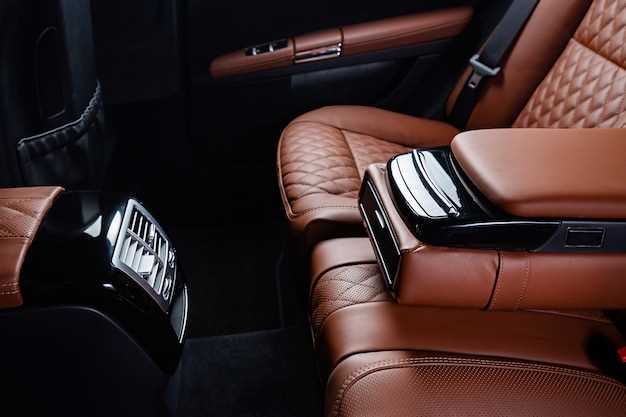
Choosing the right material for your seat covers is crucial for enhancing both comfort and protection in your vehicle’s interior. Different materials offer unique benefits, so it’s essential to consider your specific needs and preferences.
Fabric Seat Covers are a popular choice due to their comfort and breathability. They are usually soft to the touch, making long drives more enjoyable. However, they can be prone to stains and wear over time, so if you have children or pets, frequent cleaning or protection may be necessary.
Leather Seat Covers provide a sleek, upscale look that can enhance the aesthetic of your car’s interior. They are durable and easy to clean, making them a practical choice for those who want a sophisticated appearance combined with low maintenance. However, leather can be less comfortable in extreme temperatures, often feeling hot in summer and cold in winter.
Synthetic Materials, such as neoprene or polyester, are designed to offer high levels of durability and resistance to water and spills. These materials are ideal for outdoor enthusiasts or anyone who frequently encounters muddy or wet conditions. Look for seat covers made from high-quality synthetic materials to ensure longevity and ease of maintenance.
Consider the climate you live in when selecting your seat cover material. If you reside in a hot region, breathable fabrics or ventilated leather might be more comfortable. In colder areas, heated seat covers or insulated materials can drastically improve your driving experience.
Lastly, don’t forget about the fit. A material that conforms well to your seat will provide better protection and enhance overall comfort. Always check for custom-fit options to ensure that your seat covers stay in place, offering maximum protection for your vehicle’s interior.
Installation Tips for a Perfect Fit on Your Vehicle’s Seats
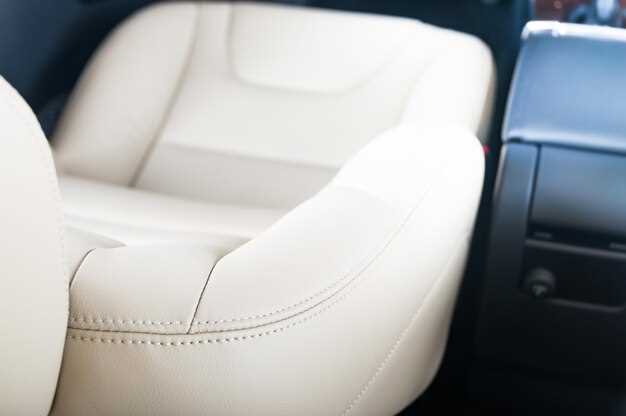
Installing seat covers is an essential step in enhancing both the comfort and protection of your vehicle’s interior. To ensure a perfect fit, follow these practical tips:
1. Choose the Right Size: Before purchasing seat covers, measure your seats accurately. Consider the dimensions, including headrests and armrests, to guarantee that the covers will fit snugly without excess fabric that can shift or bunch up.
2. Clean the Seats: Thoroughly clean your seats before installation. This will not only help the covers adhere better but will also prevent dirt and debris from trapping underneath, which can damage your interior over time.
3. Read the Instructions: Each seat cover brand may have specific installation guidelines. Carefully read the provided instructions to understand the best method for securing the covers, including how to attach straps or hooks if applicable.
4. Start with the Backrest: Begin the installation process with the backrest of the seat. Slip the cover over the backrest and adjust it until it is evenly distributed. Tuck in any excess material to create a streamlined look.
5. Secure the Seat Base: Once the backrest is in place, move on to the seat base. Make sure the cover fits snugly before securing it. Utilize any straps or clips provided to hold the cover in position, ensuring that it stays in place while driving.
6. Adjust for Comfort: After installation, take a moment to adjust your seat covers for comfort. Check for any areas that may feel tight or loose, and make necessary adjustments. A well-fitted cover should enhance your driving experience rather than hinder it.
7. Allow for Settling: After installation, allow some time for the seat covers to settle into place. It may take a few days for the material to conform to the shape of the seat, resulting in a tighter fit.
By following these tips, you can achieve a seamless installation that enhances the aesthetic appeal and durability of your vehicle’s interior, providing ultimate comfort and protection.
Maintaining and Cleaning Your Seat Covers for Longevity
To ensure the longevity of your seat covers, regular maintenance and proper cleaning are essential. Start by understanding the materials used in your covers, as this will dictate the cleaning methods and products suitable for use. Most covers are designed to be durable, but different materials such as fabric, leather, or synthetic blends require specific care.
Begin with routine maintenance. Use a soft brush or a vacuum cleaner with a brush attachment to remove dirt, dust, and debris from the interior and crevices of your covers. This preventive step minimizes the buildup of grime that can wear down the material over time. For fabric covers, consider using a lint roller to pick up pet hair and tiny particles.
When it comes to cleaning, follow the manufacturer’s instructions. Most fabric seat covers are machine washable, but it’s best to use a gentle cycle with cold water to avoid shrinkage or damage. For leather or faux leather covers, a damp cloth with mild soap is often sufficient. Always wipe down any spills as soon as they happen, and avoid using harsh chemicals that can degrade the material.
Occasionally, a deep cleaning may be required. For this, you can use a steam cleaner, as it can effectively lift dirt without harsh chemicals. After deep cleaning, ensure the covers are thoroughly dried to prevent mold or mildew growth.
To protect your seat covers further, consider applying a fabric protector or conditioner specifically designed for the material. This can help repel stains and maintain the appearance of your covers, ensuring that your interior stays looking fresh and new for years to come.
By following these maintenance and cleaning tips, you can extend the life of your seat covers and keep your vehicle’s interior looking its best.