
Best spark plugs for fuel efficiency

The performance of your engine is significantly influenced by the spark plugs it employs. These seemingly small components play a critical role in igniting the air-fuel mixture within the combustion chamber, and their efficiency can directly impact fuel consumption. Choosing the right spark plugs can lead not only to enhanced engine performance but also to improved fuel efficiency.
In today’s automotive landscape, fuel efficiency has become a paramount concern for both consumers and manufacturers. As vehicles become more advanced, the need for high-quality spark plugs that can complement the engine’s design and functionality is essential. Upgrading to the top spark plugs available can result in a noticeable difference in how efficiently your engine operates, ultimately translating to savings at the pump.
Understanding the types of spark plugs available, such as copper, platinum, and iridium, is crucial when selecting the best option for your engine. Each type has its own set of advantages and drawbacks, influencing factors such as longevity and performance under various driving conditions. In this article, we will delve into the leading spark plugs on the market today and examine how they can contribute to better fuel economy for your vehicle.
Choosing the Right Spark Plug for Your Engine Type
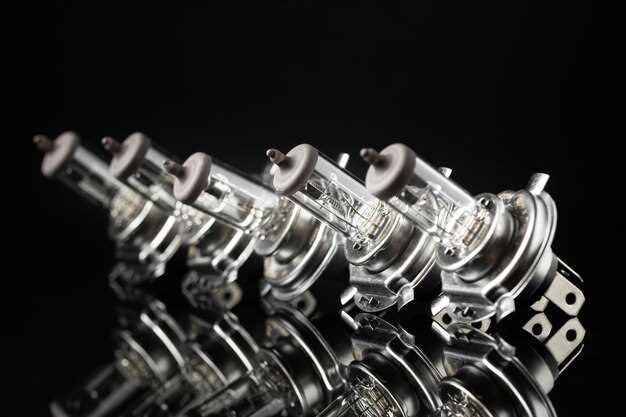
Selecting the appropriate spark plugs is crucial for the optimal performance of your engine. Different engine types require specific plugs to ensure efficient combustion, maximize fuel efficiency, and enhance longevity. Understanding the compatibility of spark plugs with your engine’s design and requirements is essential.
For gasoline engines, you’ll generally encounter two main types of plugs: standard copper and premium iridium or platinum. Copper plugs are less expensive and provide good conductivity but have a shorter lifespan. In contrast, iridium and platinum plugs offer improved durability and better performance under high temperatures, making them ideal for modern high-performance engines.
Diesel engines utilize a different spark plug design known as glow plugs. While not technically spark plugs, glow plugs serve a similar purpose by preheating the combustion chamber for a more efficient ignition. When choosing plugs for diesel engines, it’s important to select high-quality options that can withstand the higher pressure and temperature conditions often present in diesel environments.
Considerations such as heat range and gap size should also factor into your decision. The heat range indicates how quickly a plug can dissipate heat, affecting the engine’s performance. Selecting the proper gap size allows the spark to ignite fuel more effectively, influencing overall engine efficiency. Always consult your vehicle’s manual or a professional mechanic to ensure that the plugs you select are compatible with your engine type.
In summary, each engine type has specific requirements for spark plugs that can greatly affect performance and fuel efficiency. By choosing the right plugs tailored to your engine’s needs, you can enhance power output, improve fuel consumption, and ensure the reliability of your vehicle.
How Spark Plug Material Affects Fuel Consumption

The material used in spark plugs plays a crucial role in the overall performance and efficiency of an engine. Different materials conduct electricity and dissipate heat in unique ways, which impacts combustion efficiency and fuel consumption.
Copper spark plugs are known for their excellent conductivity and affordability; however, they tend to wear out faster compared to other materials. This can lead to less consistent ignition and, as a result, increased fuel consumption due to incomplete combustion.
Platinum spark plugs offer better durability and longevity. Their ability to withstand higher temperatures without degrading allows for a more reliable ignition process. Engines equipped with platinum plugs often experience improved fuel efficiency, as these plugs maintain optimal performance over time.
Iridium spark plugs are at the top tier of performance. The dense properties of iridium enable a smaller center electrode, which creates a more focused spark. This characteristic results in quicker ignition and a more complete fuel burn, ultimately enhancing miles per gallon (MPG) and reducing emissions. Engines utilizing iridium plugs can demonstrate significant improvements in fuel efficiency.
In summary, the material of spark plugs directly influences an engine’s fuel consumption. Opting for higher-quality materials like platinum or iridium can lead to better fuel efficiency, while cost-effective copper plugs may result in higher fuel costs due to their shorter lifespan and less optimal performance.
Installation Tips for Maximizing Spark Plug Performance
To ensure the optimal performance of your spark plugs, proper installation is crucial. Start by selecting the right spark plugs for your engine, considering factors such as gap size and heat range. Refer to your vehicle’s manual for specific recommendations.
Before installation, inspect the spark plugs for any signs of wear or damage. Clean the threads on the plug as well as the cylinder head to prevent debris from interfering with performance. It’s essential to use a torque wrench to tighten the plugs to the manufacturer’s specifications, avoiding over-tightening that can lead to engine damage.
When installing the plugs, make sure to apply a small amount of anti-seize compound on the threads. This helps prevent sticking and ensures easier removal in the future. Use a gapping tool to adjust the spark plug gap, ensuring it aligns perfectly with your engine’s requirements for optimal ignition efficiency.
After installation, double-check the connections and ensure that all plugs are securely fastened. Finally, consider running the engine and monitoring its performance to ensure the installation has positively impacted fuel efficiency and overall operation. Regular maintenance and timely replacement of spark plugs will support long-term performance and fuel savings.