
How to wash your car without scratching the paint
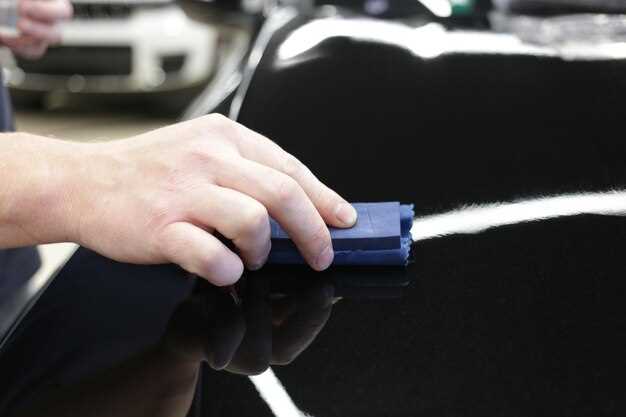
Taking care of your car is essential for maintaining its appearance and value. One of the most important aspects of car care is knowing how to wash your vehicle properly without causing any damage to its paint. Many car owners worry about scratches and swirl marks that can be inflicted during the washing process. Fortunately, with the right techniques and tools, you can achieve a spotless wash while preserving the quality of your car’s exterior.
When it comes to washing your car, preparation is crucial. First, select a suitable location away from direct sunlight, as heat can cause water and soap to dry too quickly, leading to streaks. Gathering high-quality materials, such as microfiber towels and gentle car soaps, will also greatly reduce the risk of scratching the paint. Understanding the correct washing technique is equally important, as the wrong method can inadvertently lead to damage.
In this article, we will outline step-by-step instructions and provide valuable tips on how to wash your car effectively. By following these guidelines, you can ensure your car looks its best while maintaining the integrity of its paint finish. Prepare to give your vehicle the care it deserves without compromising its beauty!
Choosing the Right Materials for Safe Washing
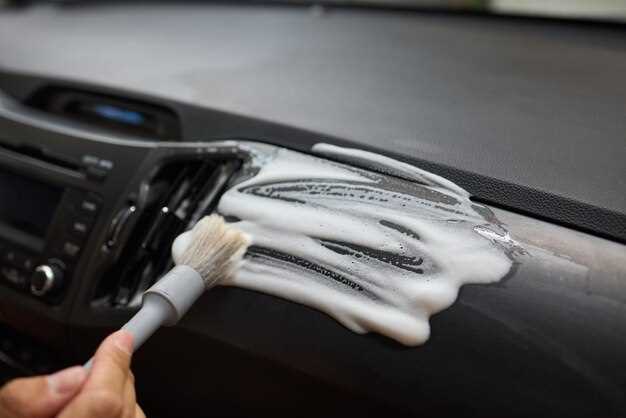
When it comes to washing your car without scratching the paint, selecting appropriate materials is essential. The right tools not only enhance the cleaning process but also ensure that your vehicle’s exterior remains protected.
Microfiber Towels are a must-have for any car wash. These towels are soft and non-abrasive, making them perfect for drying and wiping down surfaces without causing any damage to the paint. Always choose high-quality microfiber, as it effectively lifts dirt and grime, reducing the risk of scratches.
Another important tool is a Car Wash Mitt. Opt for a mitt made from microfiber or lambswool, which offers a gentle touch on the paint. This allows for a thorough wash while minimizing the potential for scratches. Avoid using sponges, which can trap dirt particles and lead to marks on the paint.
When selecting a car wash soap, ensure it is specifically formulated for automotive use. Regular household soaps may strip away wax and protective layers. A high-quality car wash soap will remove dirt while being gentle on the paint, maintaining its shine and finish.
Additionally, a soft-bristle brush can be useful for cleaning hard-to-reach areas such as wheels and grilles. Choose one with gentle bristles that won’t scratch the paint but can still effectively remove debris.
Finally, it’s important to prepare a two-bucket system when washing your car. One bucket should be filled with soapy water, while the other contains clean water for rinsing your mitt or towel. This method helps prevent dirt from being transferred back onto the paint, ensuring a safer wash.
By carefully selecting the right materials for washing your car, you can provide the utmost care for your vehicle’s paint surface, keeping it pristine and scratch-free.
Step-by-Step Process for Washing Without Damage
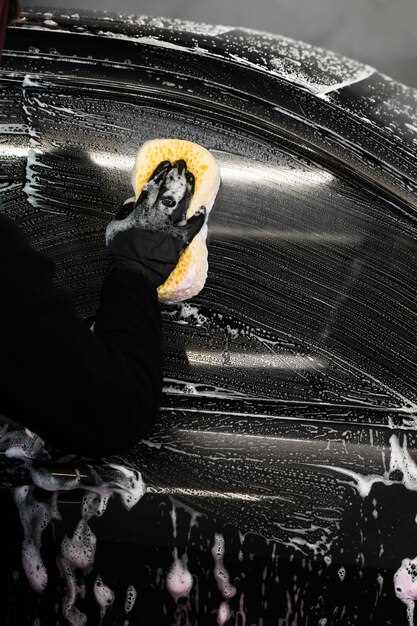
To ensure your car’s paint remains in pristine condition, follow this detailed step-by-step process for washing it without causing any damage.
Step 1: Gather the Right Supplies
Collect high-quality car wash soap, a bucket, a soft sponge or wash mitt, microfiber towels, a rinse bucket, and a hose with a spray nozzle. Ensure all materials are specifically designed for automotive care to minimize the risk of scratches.
Step 2: Find a Suitable Location
Choose a shaded area to wash your car. Direct sunlight can cause soap to dry too quickly, leading to water spots and potential paint damage. A cool, dry environment is ideal for the washing process.
Step 3: Rinse Thoroughly
Start by rinsing your car with water to remove loose dirt and debris. Use a gentle spray, avoiding high pressure, which can force contaminants into the paint surface. Ensure every section of the car is soaked.
Step 4: Prepare the Wash Solution
Mix the car wash soap in a bucket according to the instructions on the bottle. Use only the recommended amount to avoid excess soap that can be difficult to rinse off and could harm the paint.
Step 5: Wash in Sections
Using your soft sponge or wash mitt, begin washing the car from the top down. This technique prevents dirt from falling onto already cleaned areas. Clean one section at a time, rinsing the sponge frequently in the rinse bucket to eliminate dirt particles.
Step 6: Avoid Circular Motions
To prevent swirl marks on the paint, wash using straight lines. This technique reduces the risk of scratching the surface and keeps the paint looking smooth and glossy.
Step 7: Rinse Again
After washing each section, rinse it immediately to prevent soap from drying on the paint. Use a gentle spray from the hose to ensure all soap is removed, as any residue can damage the paint over time.
Step 8: Dry with Care
Once the car is completely rinsed, gently dry it using soft microfiber towels. Pat the surface rather than rubbing to prevent scratches. Allow any remaining water to evaporate naturally, as this reduces the chances of water spots.
Step 9: Final Touches
Consider applying a wax or sealant to provide an additional layer of protection for your car’s paint. This step helps to enhance shine and provides a barrier against future dirt and contaminants.
By following this step-by-step process with care, you can effectively wash your car while safeguarding its paint from scratches and damage.
Maintaining Paint Protection After Washing
After a thorough wash, it’s crucial to take the necessary steps to maintain the protective layer on your car’s paint. This ensures both a shiny appearance and long-lasting durability against the elements.
Firstly, consider applying a quality wax or sealant post-wash. These products create a barrier that not only enhances the gloss but also guards against dirt, grime, and UV rays. Make sure to choose a wax that is suitable for your paint type to ensure optimal protection.
Secondly, avoid washing your car in direct sunlight. This can lead to water spots and uneven drying, which can compromise the protective layer. Whenever possible, wash your vehicle in a shaded area or during cooler parts of the day.
Additionally, using microfiber towels for drying is essential. These towels are designed to absorb water without scratching the paint, ensuring that the protective film remains intact. When drying, use a blotting motion rather than rubbing to prevent abrasion.
Furthermore, regularly inspect your paint for any signs of wear. This includes checking for scratches, swirls, or fading. Addressing these issues swiftly can help maintain the integrity of the paint protection.
Finally, consider applying a ceramic coating for even more enhanced protection. This advanced solution offers excellent resistance to contaminants and can preserve the beauty of your paint for years, making future washes easier and more effective.